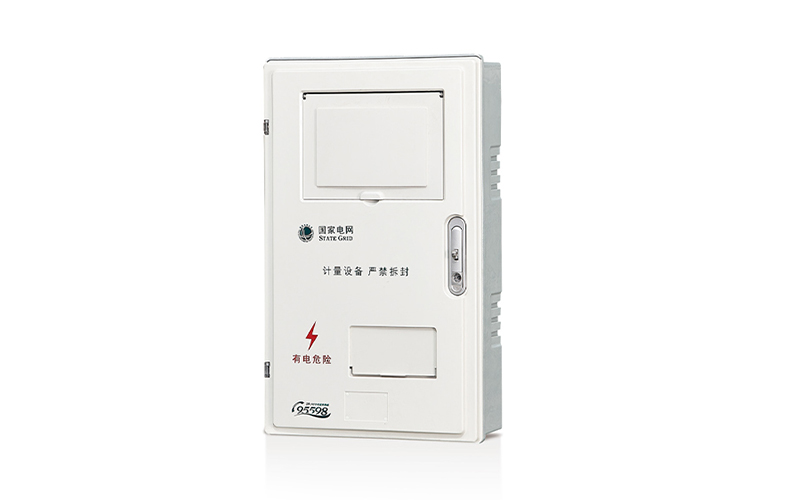
2 Types of Electrical Meter Boxes: Features & Uses
An electrical meter box is made to safeguard the electric meter and its connectors as well as the cables against bad weather and mechanical damage. There are two primary types of electric meter boxes: recessed boxes and surface-mounted boxes, knowing the difference will help you choose the ideal Electric Meter Box.
What Is an Electrical Meter Box?
An electrical meter box provides a space which keeps a meter for measuring electricity and the connected wiring safe. It may consist of a closed door, holes for electricity cables, brackets for placing it on a surface, a glass window, and a lock used by the company providing electricity.
Meter boxes may be constructed of UV-resistant plastic, polycarbonate, galvanized steel or stainless steel. The choice of material and protection class depends on the place of installation of the box – whether it will be outdoor or indoor.
Type 1: Surface-Mounted Meter Boxes
A surface-mounted meter box is attached directly to a wall. It is always exposed and stands slightly away from the wall surface, which makes its installation very uncomplicated and easy to carry out.
Features and Uses
The features of these boxes usually involve rear mounting options, cable knockouts, secured door lock, and clear windows. They are used in outer walls, garages, workshops, utility rooms, buildings, and transitional building sites.
The greatest benefit is the simple installation process. Very little work is needed to prepare the wall, which decreases the time and cost of installation. The mounting boxes can be quickly replaced or moved as needed in case of an adjustment in the wiring scheme.
The major drawback is its view. As a box is protruding out of the wall, it can be unattractive and can block narrow passageways. If used outdoors, select a device with UV resistance and weather-resistant features with the correct IP rating.
Type 2: Recessed Meter Boxes
A fitted meter box, also known as a flush mount meter box is mounted into the wall opening where there is no outside surface mounting showing apart from the frame and door.
Features and Uses
Recessed boxes can also feature flush doors, see-through panels, locks, and hidden hinges. They are popular features in nine buildings, multi-family dwellings, commercial buildings, and projects that require an attractive look and save space.
The main advantage is that recessed boxes have a pleasing look since there is less equipment protruding from the wall. It makes the recessed boxes perfect for entrance areas, slim paths, and architecturally designed facades.
However, the installation procedure is more complicated. First and foremost, an opening in the wall must be created, and provisions for cable connection, drainage and door operation need to be made beforehand. Work on replacement might also mean additional construction activities.
Key Features Compared
| Feature | Surface-Mounted | Recessed |
|---|---|---|
| Installation | Fixed onto the wall | Installed inside the wall |
| Appearance | Visible and projecting | Flush and discreet |
| Installation difficulty | Simple and fast | Requires wall preparation |
| Best for | Existing buildings and service areas | New construction and limited spaces |
| Replacement | Usually easier | May require building work |
Choosing the Right Box for Your Needs
The first step to doing this is to check the meter size, cable connections, and local electricity service standards. Different types of meter such as a smart meter, a single phase, and a three-phase meter require slightly different sizes of enclosures as well as different internal clearances.
If you require quick installation, fast access, or a solution for a pre-existing wall, opt for a surface-mounted power meter box. If you want a neat finish, lower protrusion, or an integrated solution for a new project, get a recessed box.
When installing in outdoor areas, it’s crucial to examine the IP rating, UV resistance, anti-corrosion measures, seal of the door, and cable glands. In addition, the installation site must be chosen such that the door can be opened to its fullest extent and can safely be inspected or replaced by authorized personnel.
Installation and Safety
The task of installing the meter box should be performed by a certified electrician. He/she should also do the wiring in compliance with the local regulations and the utility company specifications. The box should be securely placed and settled.
Before taking any steps to modify the box or add openings, be sure that you have reviewed instructions from the manufacturer. Modification may lead to diminished weather protection or even rejection of the installation by the utility.
Frequently Asked Questions
Are surface-mounted and recessed boxes interchangeable?
No. Their mounting methods, dimensions, cable entries, and installation requirements are different.
Can a meter box be installed outdoors?
Indeed, provided that the product was created for external application accompanied by adequate protection against weather conditions, UV rays, corrosion, and impacts.
Can I install a meter box myself?
It might be possible to carry out wall preparations; nevertheless, the meter connection and electrical installation must be performed by an experienced electrician or certified utility contractor.
Surface-mounted boxes are convenient and easy to install, while recessed boxes provide a nicer look and seamless finishing. Choose the right Electricity Metering Box by taking into account the type of electric meter being used, building structure, environment, available space, access to maintenance, and local regulations. A well-chosen and professionally installed box will offer reliable protection for the electric meter and its connections.