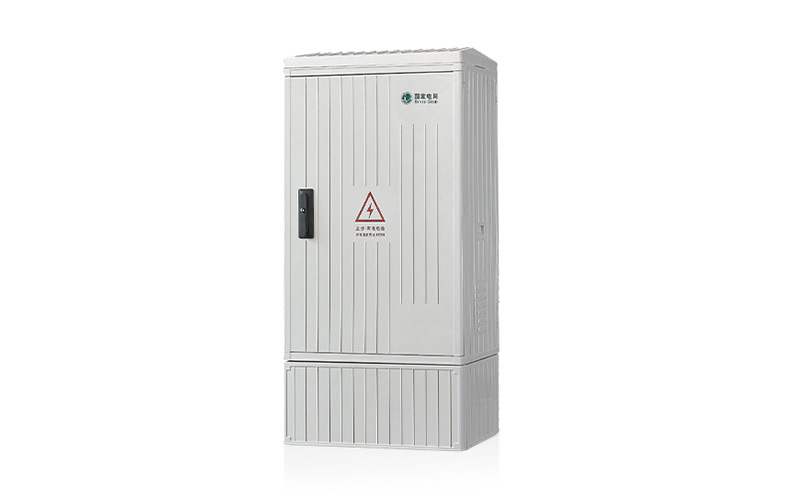
Cable Branch Box Buying Guide: Materials & Installation
In modern power distribution networks, the cable branch box plays an important role. Selecting the right cable branch box for your project is essential in making sure it performs well and is easy to maintain. This guide will help you understand all the important aspects of choosing a cable branch box such as materials, installation, and how to be sure that the product you buy is the right one for your needs.
What Is a Cable Branch Box? Functions & Key Components
A cable branch box is an electrical enclosure used to connect and split power cables. It serves as a safe convergence point for cables running from multiple directions.
Its core functions:
- Cable connection and power distribution
- Electrical insulation protection
- Cable isolation and physical safeguarding
Typical components include terminal blocks or busbars, arc-resistant insulation barriers, waterproof cable entry glands, and safety grounding structures. Most enclosures are weatherproof, and many models support optional monitoring or surge protection modules.
Cable Distribution Box Materials: SMC And Stainless Steel
Material selection mainly depends on installation environment and project budget. The mainstream options are:
SMC: Excellent corrosion and weather resistance, high mechanical strength, good insulation and flame retardancy; lightweight yet durable, suitable for outdoor, coastal and humid environments with long service life and low maintenance.
Stainless steel: Excellent corrosion resistance, long service life for harsh outdoor environments.
Match the material to weather exposure, mechanical impact risks and your maintenance plan.
Installation Methods: Wall-mounted And Floor-standing
Each installation style fits different application scenarios:
Wall-mounted: Easy access and maintenance, works indoors or semi-protected outdoor locations.
Floor-standing: Suitable for ground-level installation where a stable base is available; easy to install and service, commonly used in indoor substations, factories and other flat-ground sites.
Select the installation method according to site conditions, hazard exposure and maintenance arrangements.
How to Choose the Right Cable Branch Box
Evaluate these core factors before purchase:
Voltage & branch capacity: Confirm matching voltage level (low, medium or high voltage) and required cable branch quantity.
Material: Match material to electrical requirements and on-site environmental conditions.
Installation type: Choose wall-mounted, pole-mounted or underground structure to fit your site.
Safety certification: Prioritize IEC, UL or EN certified cable branch boxes.
Expandability: Pick modular or oversized enclosures if future circuit expansion is needed.
For high-voltage applications, select models with reinforced insulation and reliable surge protection.
Maintenance & Inspection Tips
Follow these rules to keep the box safe and functional:
- Check the enclosure regularly for corrosion, cracks or physical damage.
- Verify all terminals are tightly fastened and well insulated.
- Clean dust and debris from the enclosure interior and exterior.
- Watch closely for water ingress in underground cable branch boxes.
Always follow the manufacturer’s manual and arrange professional inspections periodically.
Cable Branch Box FAQ
Can a cable branch box be used in coastal areas?
Only if the material suits the environment. Untreated steel is not recommended due to poor corrosion resistance, while stainless steel is the better choice for harsh outdoor and coastal conditions.
What voltage levels do cable branch boxes support?
They are available for low, medium and high voltage applications. For high-voltage use, choose models with reinforced insulation and reliable surge protection.
Can cable branch boxes be customized for a project?
Yes. Most suppliers offer options such as module mounting base plates, enhanced locking systems, intelligent monitoring units and special wall or pole mounting brackets.
How often should a cable branch box be inspected?
Check regularly for corrosion, cracks or physical damage, verify terminal tightness and insulation, and watch for water ingress in underground units. Follow the manufacturer's manual and arrange periodic professional inspections.
Choosing the right cable branch box requires consideration of your electrical system specs, site environment and budget. With proper material, installation and safety configuration, the enclosure can operate reliably for years. For special requirements, consult engineers for custom solutions to reduce distribution network faults and improve operational efficiency.