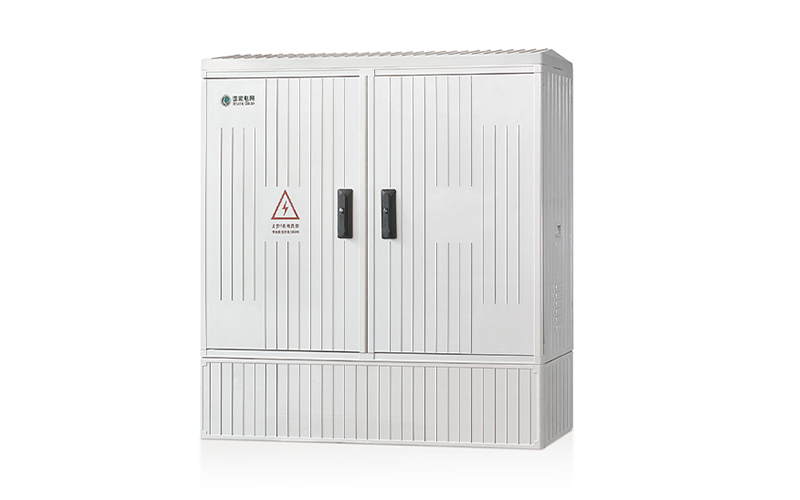
Cable Branch Box Solutions for Safer Power Distribution
In safe power distribution, cable sizing is not the only factor. Besides that, it is necessary to protect cable connections from moisture, dust, unintended contact, mechanical impact, and overheating. A good Cable Branch Box is a safe point for splitting incoming electricity into different circuits.
Cable branch boxes can be found in industrial plants, commercial buildings, renewable energy projects, infrastructure, and portable power systems. Their use leads to easy management of cords, quick maintenance, and increased safety.
What Is a Cable Branch Box?
A cable branch box is an enclosure designed to connect a single incoming power cable or circuit to multiple outgoing cables. Inside the box, electrical connections are made using terminals, busbars, or distribution blocks, all housed within a protective enclosure that ensures organized and safe power distribution. Depending on factors such as system voltage, current capacity, cable size, number of circuits, installation environment, and local electrical codes, this device may also be referred to as a cable junction box, cable jointing box, or power junction box. In medium- and high-voltage applications, additional requirements such as special insulation, proper terminations, grounding, shielding, and increased electrical clearances are necessary to ensure safe operation.
How It Improves Power Distribution Safety
Cable connections that are not protected can pose many problems that include: loose connections, overheating, short-circuiting, water ingress, or electric shock. Select an appropriate casing for the connections to avert these dangers.
- Insulated terminals and internal barriers reduce accidental contact with live parts.
- Proper cable glands provide sealing and strain relief.
- Organized cable routing reduces bending and mechanical stress.
- Grounding and bonding points support safe fault-current paths.
- Clear labels make installation, inspection, and troubleshooting easier.
In addition, the box should be equipped with adequate current, voltage, insulation, and short-circuit ratings. These ratings need to conform to the total electrical system and not just the size of the cable employed.
Important Features to Consider
Durable, weatherproof construction
Rain, UV rays, dust, chemicals, vibrations, and temperature changes pose problems for outdoor and industrial setups. The materials typically used are powder-coated steel, aluminum, fiberglass, and reinforced thermoplastics.
Confirm the verified IP or NEMA rating before buying. A container designed to withstand water vapors may not be suitable for immersion and a standard waterproof design may not be suitable for areas with a high risk of fire.
Safe and practical internal design
Find insulation busbars, phase separation, protected terminals, enough space for cables, reliable mounting, and locked access. The design has to enable technicians to inspect terminals, check labels, and conduct maintenance without any extra disassembly.
Compatible cable entries
The diameter of the cable, its materials, armor, and construction must match the cable glands and connectors used. Moreover, all unused entries must be sealed appropriately using blanking plugs, in order to keep the enclosure rating intact.
How to Select the Right Cable Branch Box
Start with the electrical design and site conditions. Confirm the following information:
- System voltage, frequency, continuous current, and expected load
- Number of incoming, outgoing, and spare cable positions
- Cable type, conductor material, cross-section, and bending radius
- Required IP or NEMA protection level
- Ambient temperature, dust, moisture, chemicals, and impact risks
- Prospective fault current and protective device coordination
- Space required for installation, inspection, and future expansion
Review insulation levels, cable screen connections, termination compatibility, grounding, and partial-discharge requirements for high-voltage projects with a qualified electrical engineer.
Installation and Maintenance
Installation of a cable branch box must be carried out by qualified electricians in accordance with manufacturer instructions, design drawings, and local regulations. Proper connectors, crimping tools, and specified torque values should be used, as improper tightening can cause high-resistance connections or terminal damage. Before energizing, tests should cover conductor identification, phase sequencing, grounding continuity, insulation resistance, cable sealing, and protection settings. Routine inspections should check for corrosion, loose hardware, damaged seals, moisture stains, insulation discoloration, cracked glands, and other signs of overheating. Infrared inspection by qualified personnel can help detect abnormal temperature rises.
Cable Branch Box vs. Other Equipment
| Equipment | Typical purpose |
|---|---|
| Cable branch box | Branches protected incoming circuits to multiple outgoing cables |
| Junction box | Protects basic cable joints or conductor connections |
| Cable distribution box | Distributes power and may include terminals, fuses, or breakers |
| Switchgear or switchboard | Controls, isolates, protects, and distributes electrical power |
Frequently Asked Questions
What safety features should a cable branch box have?
Key characteristics involve insulated terminals, internal barriers, grounding terminals, the presence of successful cable glands, strain relief, lockable covers, simple identification markings, and an enclosure rating appropriate for the installation environment.
Are cable branch boxes weatherproof?
Numerous models have been manufactured for outdoor application, but the weatherproof performance will mostly depend on the box type, seals, entrance of wires, and the confirmed IP or NEMA rating.
Are they easy to install and maintain?
Models with roomy interiors, convenient terminals, hinged doors, detachable mounting plates, and clear labels allow the installer to speed things along. All work shall comply with electrical safety standards.
When you pick out the perfect Cable Branch Box, it will take your power distribution system to another level. It is important that the electrical load, cable setting, the environment, fault level, and required standards fit the cable branch box in question.