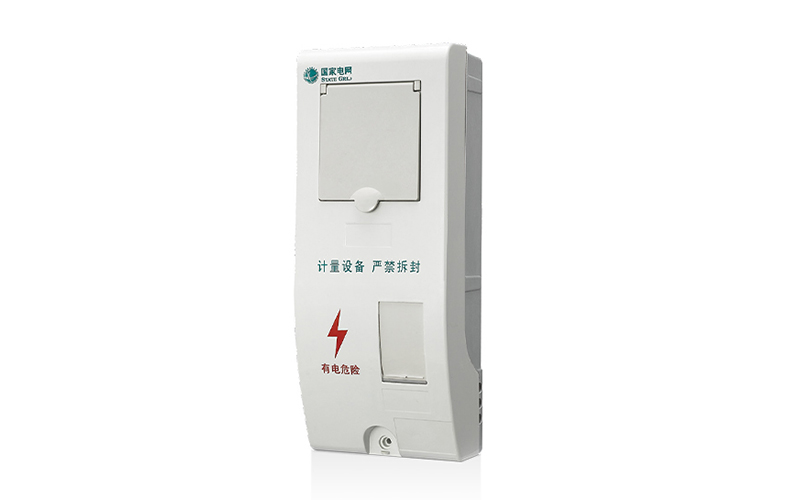
Electricity Metering Box: Complete Guide & Buying Tips
The Electricity Metering Box is an important part of the home and the business infrastructure that allows to hold the residential or commercial electrical meters for the purposes of measurement of electricity consumption. This article discusses the functionality of a metering box, differences from the meter cabinet, compliance requirements, as well as practical suggestions for selecting and maintaining the respective energy metering box.
Understanding Electricity Metering Boxes
A power metering box is defined as a shield that protects electric meters against factors such as adverse weather conditions, physical damage, and unauthorized access. In most cases, these boxes are placed on exteriors or inside utility rooms and serve as a point of connectivity between the consumer and the utility provider. They are typically made of steel, polycarbonate, or fiberglass, and each material has its own degree of strength and insulating capabilities.
How Does an Electricity Metering Box Work?
The working of an electric meter is by directing electricity from the utility company through the meter, which keeps count of the units of electricity consumed. After the meter notes the consumption, the power supply is allowed to flow to the circuits in the building itself. The current generation of the meter box can accommodate both traditional electro-mechanical meters as well as modern digital smart meters that allow for automatic transmission of data. It is important that the meter boxes are installed correctly, so that the readings are clear and the meter can be easily accessed.
Types of Metering Boxes and Key Applications
The choice of metering box depends on property requirements:
- Single-phase: Used in most homes, fits one meter, and is compact.
- Three-phase: Necessary for businesses, supports higher power loads.
- Multi-meter: Ideal for multi-tenant buildings like apartments, allowing individual billing.
- Indoor/Outdoor: Outdoor boxes need weatherproof features, while indoor versions may prioritize easy access.
Choosing the right box type that corresponds to your electric supply usage and codes assures reliable long-term service.
Metering Box vs Meter Cabinet: Key Differences
Metering boxes are small devices specializing in the protection of one or several meters, unlike meter cabinets which are bigger boxes that are mainly used in commercial and industrial activities. Meter cabinets come with room for several meters, circuit breakers, and safety devices, as well as offer modular compartments for more complicated installations. When choosing the right device, the number of meters and the necessary accessories as well as type of installation must be taken into account.
Compliance and Certification Requirements
Adhering to compliance and certification standards is crucial. Common requirements include:
- IEC Standards: International safety and performance criteria for meter enclosures.
- UL Certification: North American standard ensuring fire resistance and overall safety.
- IP Ratings: Indicates resistance to dust and water, essential for outdoor boxes.
- Local Electrical Codes: Always check local regulations for installation and placement specifications.
Verified compliance ensures safety, successful inspections, and peace of mind.
Buying Tips for Electricity Metering Boxes
Consider these factors when purchasing:
- Material: Opt for corrosion-resistant, UV-stable materials like powder-coated steel.
- Size and Upgrade Room: Ensure ample space for current and future meter additions.
- Security: Look for lockable doors and tamper-proof features.
- Accessibility: Easy access enables meter readings and maintenance.
- Compliance Documentation: Request certificates and warranty details from suppliers.
Careful product and supplier selection will minimize maintenance needs and maximize safety.
Frequently Asked Questions (FAQ)
Can an electricity metering box be installed indoors and outdoors?
Yes, but the choice depends on the enclosure rating. Outdoor models need weatherproof and UV-resistant protection, while indoor models can focus on accessibility and ventilation.
How many meters can one metering box hold?
It varies. Single-phase boxes usually hold one meter, while multi-meter boxes are designed for apartments, offices, or shared buildings where separate billing is required.
Do I need a certified metering box for installation approval?
In most areas, yes. Inspectors often check for IEC, UL, or local code compliance before approving the installation.
Can I upgrade a metering box later for smart meters?
Many modern boxes are designed with extra space for digital or smart meters. If you plan to upgrade, choose a box with sufficient depth and modular layout.
The importance of selecting the appropriate power metering box cannot be overstated as it contributes positively towards safety standards, compliance, and contextually appropriate energy tracking. Be aware of current requirements in your location, make sure of particular certifications, and choose options made of materials that would withstand the test of time.