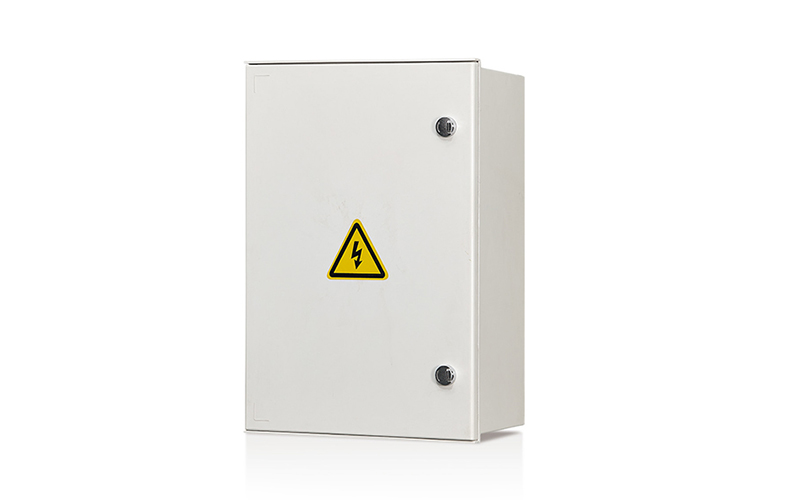
How to Choose the Right Waterproof Box?
Choosing the right waterproof box is crucial for protecting electrical equipment from moisture and environmental damage. With numerous options available, understanding the key factors will help you make an informed decision. This article will guide you through selecting the perfect waterproof box for your electrical storage needs, ensuring your equipment stays safe and dry.
Key Factors to Consider When Choosing a Waterproof Box
When searching for a waterproof box, consider the following factors:
1. Usage Purpose: Determine the specific use within the electrical industry. Are you storing sensitive electrical components or safeguarding control systems? For instance, a box with a weather-resistant structure can effectively resist moisture, dust, and other environmental damage, making it ideal for long-term use in harsh climates.
2. Size: Evaluate how much storage space you need. Ensure the box can accommodate the electrical components while allowing for easy installation and maintenance.
3. Material: The box's material can impact its durability and weight. Common options include plastic and metal, each with distinct advantages. Some waterproof boxes are designed to meet industry standards, effectively handling voltages up to 690V and a current range of 10A-250A, capable of executing single-phase and multi-phase power metering and control tasks.
Understanding IP Ratings for Waterproof Boxes
Waterproof boxes are rated with an Ingress Protection (IP) code that indicates their waterproof capabilities. For example, an IP67 rating means the box can withstand submersion in water for a limited time at a certain depth. Familiarizing yourself with IP ratings will help you gauge the protection level your waterproof box can offer.
SMC vs Metal Waterproof Boxes: Pros & Cons
When choosing between an SMC waterproof box tank and a metal waterproof tank for electrical applications, please consider the following factors:
SMC Waterproof Boxes:
- Pros: Lightweight, rust-resistant, and generally cost-effective. Suitable for general use in electrical storage and safety.
- Cons: May not be as durable under heavy stress or extreme conditions.
Metal Waterproof Boxes:
- Pros: Strong, durable, and resistant to impacts. Ideal for securing valuable electrical equipment.
- Cons: Heavier and can be more expensive than plastic options. Susceptible to corrosion if not treated properly.
Common Mistakes to Avoid When Buying a Waterproof Box
To make the most out of your purchase, be aware of these common pitfalls:
1. Ignoring IP Ratings: Always check the IP rating according to your specific requirements. Don't settle for a box that doesn't meet your waterproofing needs.
2. Choosing Size Without Planning: Ensure you have a clear understanding of the electrical components you need to store before selecting the size of your waterproof box.
3. Overlooking Material Compatibility: Make sure the box material suits its intended industrial use to avoid damage or contamination.
Conclusion
Investing in the right waterproof box is essential for ensuring the safety and longevity of your electrical equipment. By considering key factors such as intended use, size, material, and IP ratings, you can select a box that efficiently meets your needs. Remember to avoid common mistakes like ignoring important specifications and choosing unsuitable sizes. Ultimately, the right choice will not only keep your equipment safe from water damage but also enhance your operational efficiency in the electrical sector.