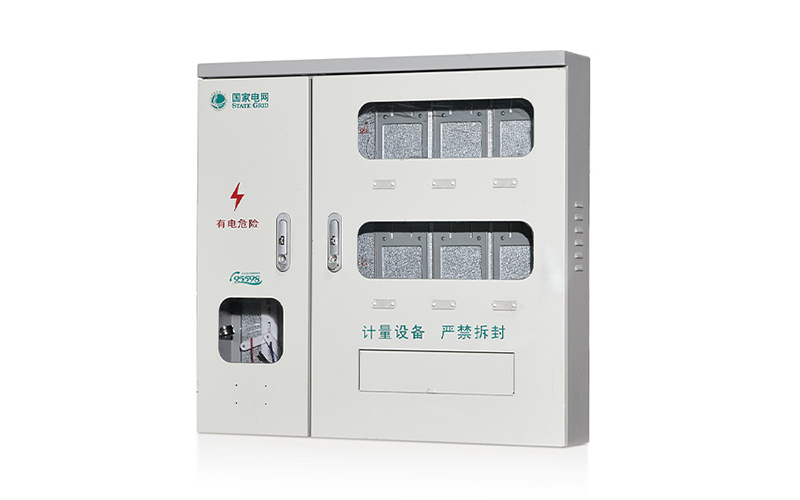
Stainless Steel Meter Box: Benefits, and Buying Guide
A stainless steel meter box is a protective enclosure designed to house electric, water, or gas meters. It is a common choice where strength and a clean appearance both matter, and it can be used in residential or commercial buildings, indoors or in sheltered outdoor positions. A properly specified meter box improves access for routine meter reading and inspection while helping to protect the meter from physical damage and environmental exposure.
Stainless steel is often preferred for these enclosures because of its corrosion resistance and structural stability, though the appropriate grade should still be matched to the actual site conditions rather than assumed.
Key Benefits of Stainless Steel Meter Boxes
● Corrosion resistance: Stainless steel resists rust and surface degradation better than mild steel or many plastics, helping the enclosure keep its structure and appearance over time. In coastal or chloride-rich environments, grade selection matters more than the material category alone.
● Security: Its toughness provides better impact and tampering resistance than thinner alternatives, reducing the risk of vandalism or unauthorized access. It should be described as fire-retardant, not fireproof — it can inhibit flame spread but does not replace rated fire protection.
● Low maintenance: Stainless steel usually needs no painting or repeated surface treatment, and cleaning is simple. This lowers cumulative maintenance costs over its service life, and the material is recyclable, supporting sustainability goals.
Main Types of Stainless Steel Meter Boxes
Variants are typically differentiated by the utility served and by mounting method:
Electric meter boxes: Usually equipped with locking doors and provisioned cable entries.
Water and gas meter enclosures: Often include dedicated ports and mounting slots specific to the meter type.
Surface-mounted and flush-mount designs: Offer flexibility depending on wall construction and space constraints.
Custom or modular units: Can be configured for non-standard dimensions, additional cutouts, or features such as viewing windows.
How to Choose the Right Stainless Steel Meter Box
Before choosing a meter enclosure, first confirm whether the meter is for electricity, water, or gas, and record its dimensions to ensure the enclosure provides enough space for both the meter and any necessary access.
Then assess the installation environment. Weather exposure, chemicals, and coastal or chloride conditions should determine the material grade and protection rating. This product line is rated IP44, which protects against splashing water from any direction and suits covered or semi-exposed locations. If direct water exposure, washdown, or heavy rain is expected, a higher rating should be specified separately. For security, look for robust locking and adequate panel thickness. For commercial projects, universal mounting or modular extension models are easier to standardize.
Finally, verify certifications and specific standards relevant to the target market, and compare suppliers on total cost of ownership—reputation, warranty, and lead time—rather than unit price alone, especially for bulk or customized orders.
Buying Guide: Features to Look For
Material grade: Grade 304 covers most general applications; grade 316 is typically specified where chloride exposure or more aggressive conditions are present.
Build quality indicators: Edge finishing, hinge performance, and seal quality are practical signals of overall manufacturing consistency.
Included accessories: Connectors, mounting hardware, and sealing components can materially affect installation time.
Customization: Check whether the manufacturer offers custom cutouts, finishes, or integrated features, and confirm how these affect lead time.
Certification and warranty: Confirm compliance with local safety and quality requirements, and review the warranty period as an indicator of manufacturer confidence.
Supplier support: A reliable supplier should be able to provide samples, technical documentation, and ongoing support through the project.
Common Applications
Stainless steel meter boxes appear across a range of settings. Residential installations use them to shield water and electric meters from weather exposure. Utility and commercial operators favor them where secure construction and long service intervals are priorities. In industrial environments involving chemical exposure or mechanical impact, they can help support uninterrupted operation, provided the grade and protection rating are matched to the actual conditions.
FAQ: Stainless Steel Meter Boxes
Which stainless steel grade is best?
Grade 304 is widely used for general applications; grade 316 is generally preferred in marine or more corrosive environments because of its better resistance to chloride attack.
Are stainless steel meter boxes fireproof?
They are typically fire-retardant, meaning they can inhibit the spread of fire, but they should not be treated as fully fireproof enclosures.
Can this meter box be used outdoors?
This model has an IP44 protection rating, making it suitable for sheltered or semi-sheltered outdoor locations. For installation environments that are fully exposed and in direct contact with water, a product with a higher protection rating should be selected.
Summary
A stainless steel meter box is a practical option where durable, low-maintenance protection for utility meters is required. Its corrosion resistance, structural strength, and clean appearance suit a wide range of residential and commercial uses. Assessing site conditions, confirming the relevant grade and protection rating, and working with an experienced supplier will help ensure reliable long-term performance.