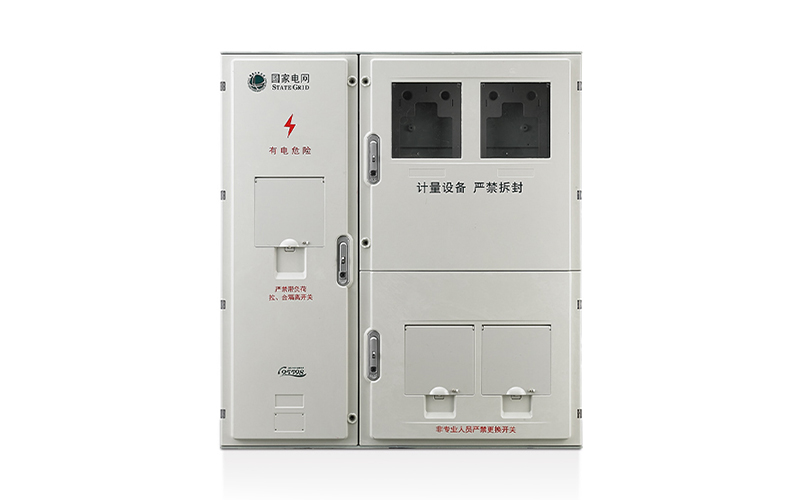
Three Phase Meter Box: SMC, IP34 & Installation Guide
Choosing an inappropriate three phase electric meter box may culminate in dangerous situations, compliance issues, and expensive replacements. Whether you are equipping a residential complex, improving a civil substation, or planning equipment for an industrial site, a proper meter box guarantees reliable energy consumption measurement, long-lasting reliability of the meter box, and compliance with the industry standards. This article contains valuable information about three phase meter boxes and its features, including material selection, technical requirements, installation, and maintenance.
What Is a Three Phase Electric Meter Box?
The three phase meter box is an equipment enclosure of three phases that contains a three phase meter that indicates the electricity used in systems that operate at three phase. These systems are usually designed to run at voltages above 220V and up to 690V AC, which means they work for jobs that require more energy than single phase systems.
The meter box has three primary functions, which are to prevent damage to the meter due to the weather or tampering, ensure that local regulations governing electrical installations are adhered to, and allow for convenient meter reading and maintenance. A good meter box not only prolongs the lifespan of the meter but also cuts down on maintenance costs.
Technical Specifications
| Parameter | Specification |
|---|---|
| Voltage Range | 220V ~ 690V AC, 50/60Hz |
| Material | SMC Glass Fiber Reinforced Plastic |
| Fire Rating | UL94 V-0 (IEC 60695-11-10) |
| Protection Class | IP34 (IEC 60529) |
| Impact Resistance | IK9 (IEC 62262) |
| Operating Temperature | -25°C to +50°C |
| Service Life | >40 years (indoor), >30 years (outdoor) |
| Configuration | 1-16 meter sets, modular design |
| Mounting Type | Wall-mounted or pole-mounted, concealed wiring |
Why SMC Material Outperforms Metal and Standard Plastic
The majority of modern three-phase meter boxes are made from SMC (Sheet Molding Compound) reinforced polymer. Here is a brief explanation of why this material has become the norm in the industry for high specification electrical usage.
- Superior insulation: Compared to metal enclosures, SMC significantly minimizes the threat of electric shock and short circuits as it cannot conduct electricity.
- Flame retardancy: UL94 V-0 certification indicates that the material goes out by itself within less than ten seconds after the fire started thereby satisfying tough regulations on fire safety for both home and business applications.
- Corrosion resistance: In contrast to metal containers that corrode with time, SMC is resistant to corrosion and does not suffer from moisture, saline spray, and chemicals exposure—making it perfect for industries and coastal locations.
- Longevity: SMC meter boxes provide structural integrity and visual appeal inside for more than 40 years and outside for 30 years and more, which is far superior to conventional metal or ABS plastic meter boxes.
- UV stability: The substance can withstand yellowing and breaking down due to long-lasting sunlight exposure, therefore outdoor installations always look neat for years.
Application Scenarios
The three phase electric meter boxes are applied in a variety of scenarios; the appropriate configuration will depend upon what you need for your project.
- Residential complexes: Configurations, which are 1-4 meters in size, are available for smaller apartments and houses. Modular designs can facilitate loading by making it easy to add modules as occupants increase.
- Civil substations: 8-16 meter setups for larger residential areas or mixed-use buildings. Installing the integrated busbar arrangements makes the wiring process easier and installation quicker.
- Industrial facilities: Companies can customize their equipment configurations to match the specific requirements of factories, warehouses, and commercial buildings that have heavy power loads. Options include CT/PT mounting arrangements and larger terminal compartments for extensive wiring operations.
Compliance and Certifications
Compliance with regulations for electrical cabinets is something that cannot be avoided. As you look into three-phase electric meter boxes, mind the following:
- UL94 V-0: Flame retardancy per IEC 60695-11-10
- IP54: Dust and water ingress protection per IEC 60529
- IK10: Impact resistance per IEC 62262
- IEC 62052-31: General requirements for electricity metering equipment
- Local certifications: Depending on your market, additional approvals such as CE, BS, or ANSI may be required
Always request test reports and certification documents from your supplier before placing an order.
Installation Best Practices
Proper installation ensures both safety and long-term performance. Follow these guidelines:
- Verify dimensions: Make sure the box’s interior measurements can fit your meter type and any other items (such as breakers, terminals, CTs).
- Choose the right mounting: For both indoor and outdoor use, wall-mounted installations are commonly used. Pole installations, on the other hand, need extra brackets and weather-proofing for installation.
- Use concealed wiring: Currently, the SMC meter boxes possess premade entries and openings for proper wiring that abides by required guidelines.
- Seal all entries: Apply appropriate grommets and sealants to cable entries to maintain the IP34 rating.
- Label clearly: It is important to highlight the meter location and electrical circuit so that it becomes easier during maintenance or troubleshooting.
Maintenance Checklist
Even the most durable meter boxes benefit from periodic inspection:
- Quarterly: Visually inspect for cracks, discoloration, or signs of water ingress.
- Semi-annually: Check door hinges, locks, and seals for wear. Replace damaged gaskets promptly.
- Annually: Confirm that all entries for cabling are correctly sealed and nothing stops ventilation such as plants and garbage.
- After severe weather: Inspect for impact damage, loose mounting hardware, or compromised seals.
Keeping installation records and maintenance logs simplifies compliance audits and warranty claims.
Frequently Asked Questions
What makes SMC meter boxes better than metal?
SMC is a form of plastic that is non-conductive and corrosion-resistant, additionally being lighter than metal and providing equivalent or better impact resistance compared to metal. The use of SMC negates the need for repainting or rustproofing.
Can three phase meter boxes be used outdoors?
Indeed, SMC enclosures with an IP34 rating and a built-in rain-resistant design are made for outdoor installation on walls or poles in adverse weather conditions.
What is the difference between single phase and three phase meter boxes?
The three phase boxes are made for higher voltages (220V-690V) and larger current ratings. The boxes provide more terminal space and provisions for busbars in order to accommodate three phase wiring.
Do I need a certified electrician to install a meter box?
It is typically the case in most parts of the world. Meter box installation requires electrical work and must comply with local regulations. Make sure to hire a licensed electrician for the work.
Conclusion
Purchasing a durable three-phase electric meter box made of fiberglass-reinforced SMC is one of the best ways to ensure the safety, regulations compliance, and long-term reliability of your power supply system. Always pay attention to parameters such as IP34-rated weather protection, UL94 V-0 fire safety, modularity of design, and proven certifications. Provided you choose the right manufacturer and install the device properly, you will be able to enjoy long-term trouble-free service from your electric meter box.
Need assistance with picking the ideal meter box for your project? Download our free selection guide today or get in touch with our engineering team for an estimate that is tailored to your needs.