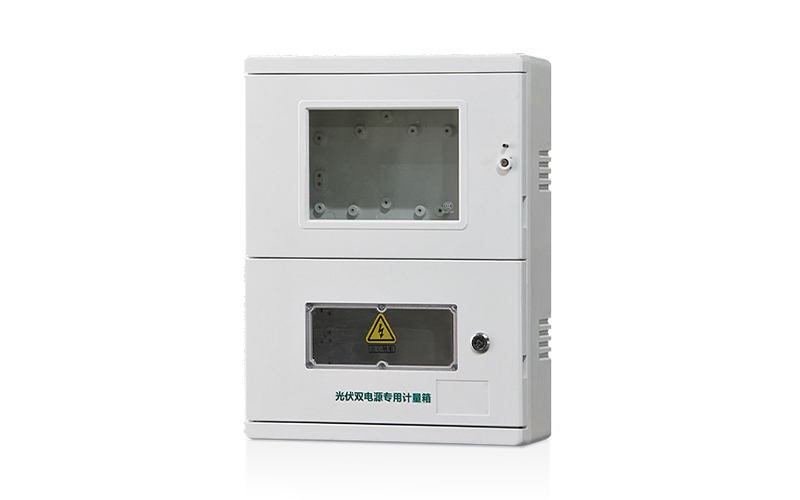
What You Should Know about Photovoltaic Grid-Connected Box
What Is a Photovoltaic Grid-Connected Box and How Does It Work?
A Photovoltaic Grid-Connected Box is an integrated system that connects solar panels to the power grid. Its main function is to convert the direct current (DC) generated by solar panels into alternating current (AC) for grid use, allowing households and organizations to use solar energy directly or sell excess power back to the grid.
The box typically includes an inverter, circuit breakers, and safety disconnects. The inverter converts DC to AC and synchronizes solar output with grid requirements. A key feature of these boxes is their ability to manage energy production efficiently and optimally.
Core Application Areas for Photovoltaic Grid-Connected Boxes
The flexibility of PV Grid-Connected Boxes allows them to serve many purposes, including:
1. Large-Scale Photovoltaic Power Stations: In centralized ground stations, the box is used for grid connection on the output side of the inverter and must be compatible with high-capacity electrical equipment, with dust-proof cooling design.
2. Distributed Photovoltaic Systems:
- Industrial and Commercial Rooftop Stations: The corrosion-resistant casing of the box is suitable for industrial gas applications, while its explosion-proof design is appropriate for hazardous areas such as chemical factories.
- Agricultural photovoltaic initiatives: Having a moisture-proof and thermally resistant design, it is possible to set it up on top of agricultural greenhouses and use it in conditions of irrigation vapors.
3. Coastal and Humid Regions: In offshore structures and island microgrids, corrosion resistance to salt fog guarantees stability in high humidity and salty air.
4. Special Climate Areas: Sand-proof sealing and operation in extreme temperatures (-40°C to +70°C) make the equipment suitable for desert and mountainous climates.
Key Components and Functions of a PV Grid-Connected Box
It is essential to understand the elements of a Photovoltaic Grid-Connected Box so as to comprehend its operation.
1. Inverter: As said earlier, the inverter is responsible for converting direct current into alternative current. Modern inverters are equipped with smart technology, which helps in optimizing energy output by changing position and monitoring.
2. Circuit Breakers: These devices ensure safety by eliminating the chance of overload. The insertion of the fuses makes it possible for the system to stop working in cases of overproduction of electricity or faults.
3. Safety Disconnects: These devices serve a safety function by making it possible to cut off the power supply from the solar panel to the main electrical system.
4. Data Collection Tools: Numerous photovoltaic systems have their own tracking system that allows pushing the output data to the owners, which will help in achieving the best performance.
Technical Advantages of Photovoltaic Grid-Connected Boxes
The use of advanced materials and designs brings notable advantages:
◆ SMC Materials: Light construction decreases the burden on supporting structures, facilitating on-site assembly at a height.
◆ Full Sealing: Prevents moisture intrusion, avoiding internal condensation.
◆ Longevity: As their lifespan is 30 years or longer, the overall costs throughout their lifetime are less than those of metal boxes.
◆ Modular Design: Facilitates rapid expansion and easy component replacement.
Installation Requirements and Safety Standards for Grid-Connected Boxes
Installing a photovoltaic grid-connected box must comply with relevant regulations to ensure efficient and secure operation. Qualified experts familiar with applicable electrical codes should handle the installation.
1. Property Evaluation: Prior to installation, a site evaluation should determine the optimal location based on sunlight exposure and shading from nearby buildings.
2. Compatibility of the Electrical System: Before installing any solar panel, the existing electrical system should be assessed to verify that it can work effectively with the new solar installation.
3. Permits and Inspections: The installation of grid-tied solar systems may also require permits from local authorities, in addition to undergoing inspections before and after installation to meet safety requirements.
Common Issues and Maintenance Tips for Photovoltaic Grid-Connected Boxes
Though these devices were developed for long-term use, certain problems might still occur. Below are some of the more frequent ones and suggestions on how to solve them.
1. Problems with the inverter: This issue can arise as a result of the inverter overheating or becoming dirty. Regular inspection and vacuum cleaning of the inverter should be conducted.
2. Connection Problems: Loose and rusty electrical connections can result in energy loss. Check the connections from time to time to ensure smooth functioning.
3. Performance Monitoring: Implement monitoring systems in order to monitor the energy output. Decreased performance may be an indicator of other problems that should be addressed.
4. Annual Checkups: Have professionals perform yearly inspection to confirm efficient operation and undertake repairs as needed.
Acquiring knowledge about how a Photovoltaic Grid-Connected Box operates puts you in a position to improve your energy efficiency while positively contributing to a sustainable environment. The effort involved in understanding key aspects related to installation, maintenance, and technology will enable you to ensure your solar energy investment is satisfying and effective. Regular maintenance of the device and compliance with safety rules will guarantee its optimal performance.